
Practice Free D-PSC-DS-01 Exam Online Questions
Which directory path is the recommended PowerScale directory structure?
- A . /ifs/<cluster>/<access zone>/<pod>/<pool>/<share>
- B . /ifs/<access zone>/<cluster>/<pool>/<pod>/<share>
- C . /ifs/<cluster>/<access zone>/<pool>/<pod>/<share>
- D . /ifs/<cluster>/<pool>/<access zone>/<pod>/<share>
When installing nodes into a Dell EMC rack, which node type requires the use of a Titan-HD rack?
- A . H500
- B . F800
- C . A2000
- D . A200
Your customer is in the semiconductor design industry with 125 engineers accessing large design diagrams requiring high throughput and top performance. They also need long-term online archival of completed designs.
Which initial node configuration best meets these requirements?
- A . X-Series nodes for active design diagrams and NL-Series nodes for archive data.
- B . F600 all-flash nodes for active design diagrams and A300 nodes for archive data.
- C . A-Series accelerator nodes for active designs and X-Series nodes for archive data.
- D . X-Series hybrid nodes with SSDs for active designs and NL-Series nodes for archive data.
Which data access pattern uses moderate prefetching?
- A . Streaming
- B . Mirroring
- C . Random
- D . Concurrency
What requirements must be determined when sizing a PowerScale solution?
- A . Capacity Performance Network
- B . Performance Security File encryption
- C . Security Capacity Network
A customer requires 4 PB of media storage but is concerned about rebuild times of large drives.
How does a PowerScale cluster address this concern?
- A . OneFS rebuilds full drives regardless of size, reducing rebuild risk
- B . OneFS does not rebuild individual drives; it reprotects data at the file level, leveraging multiple nodes for faster recovery
- C . Short-stroking drives to reduce seek times
- D . Proactive hot sparing eliminates rebuild operations
A European Sports TV network is considering Isilon for their Media Edit Storage for their editing workloads. They are also considering Isilon for near-line media archiving.
The network receives XDCAM HD footage which is loaded onto their existing Transcoding Storage platform. New footage that needs to be edited will be transferred from their Transcoding Storage platform to the proposed Media Edit Storage platform at the rate of ten simultaneous XDCAM HD files via FTP. Edited files will be transferred back to the Transcoding Storage platform at the rate of ten simultaneous XDCAM HD files via FTP.
The network currently has 15 Final Cut Pro edit stations, 15 Avid edit stations. Proxy software will be used to allow Isilon to act as the storage for the Final Cut Pro and Avid media. Three of those edit stations will be performing content compositing as needed.
The network expects 70 hours of new content per week, and 50 hours of edited content per week. They intend to keep the new and edited content on the proposed Media Edit Storage as a performance tier for 30 days. They would like to retain all new and edited footage proposed Media Edit Storage as a near-line tier for two years.
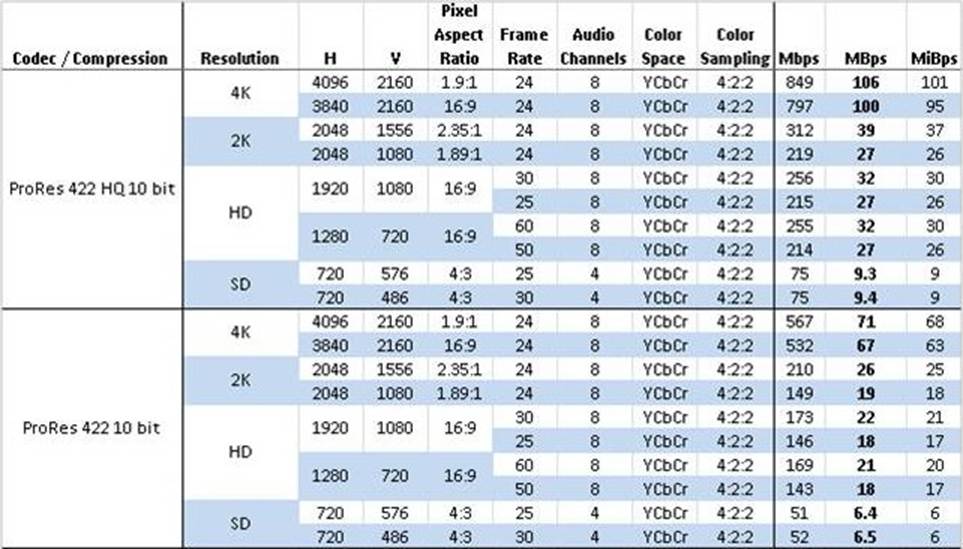
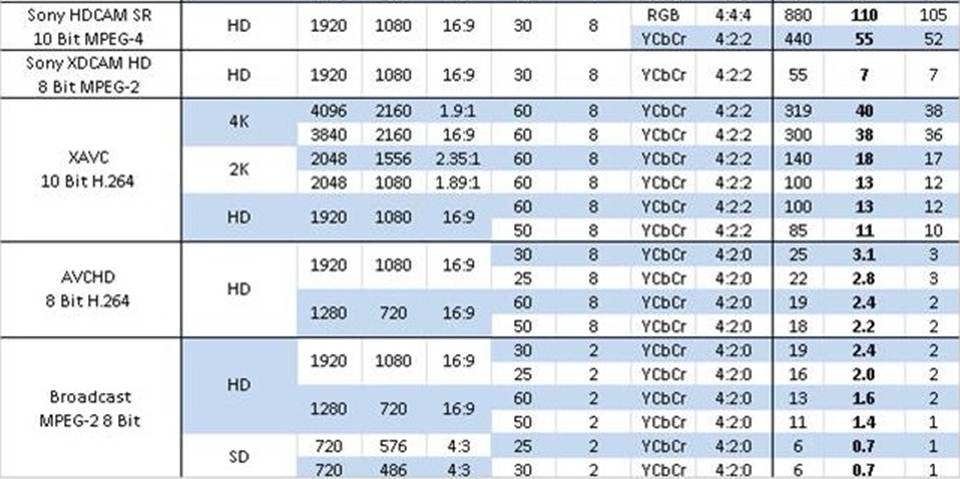
In addition to the current workloads, the network expects to implement a new Media Asset Management (MAM) solution and has requested the Isilon cluster be capable of supporting 120 MBps read and 120 MBps write to support the MAM requirements.
The customer wants to be able to put completed content into a non-editable folder. However, they want to give access to an administrator to delete content if required.
What do you recommend to the customer?
- A . SmartLock using Enterprise mode
- B . SmartLock using Compliance mode
- C . WORM using Compliance mode
- D . SyncIQ with read-only mode
A customer plans to consolidate 200 TB of digital images and video content. Performance is important for recently created files. However, the customer wants any content that has not been accessed within 30 days to be stored in the cluster at a much lower cost because performance is no longer critical.
Which Isilon configuration should be recommended?
- A . X-Series nodes, NL-Series nodes, and SmartPools
- B . X-Series nodes and SmartQuotas
- C . S-Series nodes, X-Series nodes, and SmartPools
- D . NL-Series nodes and SmartLock
A customer requires 4 PB of media storage but is concerned about the rebuild times of large drives.
How does PowerScale address this concern?
- A . Traditional RAID rebuilds are used for all drives
- B . OneFS uses file-level reprotection, which rebuilds data 2C3x faster than traditional RAID
- C . Drives are short-stroked to reduce seek times
- D . Dedicated hot spares are reserved for each drive
A customer is using Hadoop with direct-attached storage. They are concerned about the cost to build and maintain this infrastructure.
What are the benefits of switching to Hadoop with Isilon OneFS?
- A . Independent scaling of compute and storage Multi-protocol access to data ACL-based permissions
- B . Independent scaling of NameNodes Redundant TaskTracker nodes Multi-protocol access to data
- C . Independent scaling of NameNodes Multi-protocol access to data Kerberos authentication
- D . Independent scaling of compute and storage Independent NameNodes Kerberos authentication